How to Scale an Online Business Without Burning Out on Social Media

What’s up, everyone.
Today I want to talk about something that a lot of people struggle with when they start seeing some success in their business. You start making money. You start getting clients. And then you realize that the way you got there is starting to kill your energy.
Most people tell you that to scale, you have to do more. More posts. More stories. More reels. More everything. But if you’re an introvert like me, or if you just value your peace of mind, that sounds like a nightmare. You don’t want to be tied to your phone 24/7 just to keep the lights on.
I’ve seen so many people hit a wall because they think scaling means being "on" all the time. It doesn't have to be that way. You can actually grow your bank account while spending less time in front of a camera or scrolling through an app.
Let’s get right into how you can scale without burning out.
Why scaling often leads to burnout
The biggest reason people burn out is that they build their business on a treadmill.
When you start out, you’re usually doing everything manually. You’re posting to get attention. You’re DMing people to get sales. You’re doing the work, then you’re marketing the work, then you’re back to doing the work. It’s a cycle.
The problem happens when you try to grow. You think, "If I’m making $5k a month posting three times a week, I’ll make $10k if I post six times a week."
So you double the work. But you don't have double the energy.
Then you start feeling like you can’t take a day off. If you don't post, you don't get leads. If you don't get leads, you don't make money. That’s not a business. That’s a job you created for yourself where the boss is an algorithm that doesn't care if you're tired.
Scaling should mean your systems get stronger, not that your workload gets heavier. If you’re doing more work for every extra dollar you make, you aren't scaling. You’re just working harder.
The problem with “always be posting” advice
You’ve heard it a million times. Post every day. Use every new feature. Be everywhere at once.
This advice is great for the social media platforms. They want you on there. They want your content so they can keep other people on the app. But it’s usually terrible for your mental health and your long-term business growth.
When you focus only on "always being on," you’re building your house on rented land. You don't own your followers. You don't own the reach. One small change to how the app works and your views can drop to zero.
If your strategy is just to post more, you’re constantly chasing a high that doesn't last. A post has a shelf life of maybe 24 to 48 hours. Then it’s gone. You have to make a new one.
For introverts, this is especially draining. It takes a lot of energy to be "visible." It takes energy to think of what to say, how to look, and how to respond to everyone. If you do that every single day, you’re going to run out of steam.
The goal should be to create assets that work for you, not to be the worker for the platform.
3 ways to scale sustainably

Image by pikisuperstar at Freepik.com
If you want to grow without the grind, you have to change how you look at your content and your time. Here are the three things I focus on to keep things moving without needing to be on social media all day.
1. Repurposing content
Stop trying to create something brand new every single day. It’s a waste of time.
Most people make a video, post it, and never look at it again. That’s a mistake. If you made a video that helped one person, it can help a thousand more people, but they might not see it the first time.
Here is what I do. I’ll make one "core" piece of content. This might be a longer video or a detailed blog post. Something with real value.
Then, I break it down. You can take one 10-minute video and turn it into:
Five short clips for reels or shorts.
Three separate emails for your list.
A few text posts for Twitter or LinkedIn.
A checklist or a guide.
You did the hard work once. Now you’re just showing it to people in different ways. This saves so much mental energy. You aren't staring at a blank screen wondering what to talk about. You already talked about it. You’re just sharing it again.
I use tools like [placeholder for video editing tool] or [placeholder for AI transcription tool] to help speed this up. You don't even have to do the "chopping" yourself if you don't want to.
2. Automation systems
Automation is like having a staff that never sleeps and doesn't get tired.
In my business, I like to set things up so that when a person clicks a link, a whole process starts without me touching it.
Think about your "back office." When someone wants to work with you or buy your product, what happens? If you have to manually send an invoice, manually send a welcome email, and manually schedule a call, you’re going to hit a ceiling. You only have so many hours.
You need systems.
Lead Capture: A way for people to give you their info without you talking to them.
Sales Processing: A way for them to pay you while you’re asleep.
Onboarding: A way for them to get what they bought immediately.
I use [placeholder for CRM/Automation tool] to handle this. It’s about taking the repetitive tasks off your plate. If you find yourself typing the same email more than three times, you should probably automate it or make it a template.
When your "back office" is automated, you don't feel the pressure to be online all the time because you know the business is running in the background.
3. Email-first strategy
If I had to pick between 100,000 followers on social media and 5,000 people on an email list, I’m taking the email list every single time.
Social media is for discovery. Email is for sales.
When you focus on your email list, you’re talking directly to people who actually want to hear from you. You don't have to fight an algorithm to get into their inbox.
For an introvert, email is a dream. You can sit down once a week, write a few emails, and schedule them. You don't have to show your face if you don't want to. You can just share value, tell stories, and make offers.
I make it a point to move people off social media as fast as possible. I’ll post a short video that gives a tip and then say, "If you want the full breakdown, join my email list."
Once they are on the list, I can build a relationship with them on my own terms. I’m not hoping they see my next post. I know they’ll get my next email. This takes the pressure off "going viral." You don't need to go viral when you have a direct line to your best customers.
How to reduce visibility while increasing income
This is the part that feels counter-intuitive to a lot of people. They think if they aren't "seen," they won't make money.
But there’s a difference between being a "personality" and being a business owner.
When you’re a personality, your face is the product. If you aren't there, there’s no product. That leads to burnout. When you’re a business owner, your results are the product.
You can reduce your visibility by letting your systems and your results do the talking.
Instead of showing your life on stories every day, show your students' results. Show the "back office" of how your system works, like I do in my videos. People care more about how you can help them than what you had for lunch.
When you focus on the "how-to" and the "results," you become an authority. People don't need to see you every day to trust you. They just need to know you know what you’re talking about.
I’ve found that the less I focus on being "famous" and the more I focus on being "useful," my income actually goes up. Because the people who find me are serious. They aren't just there for entertainment. They’re there to solve a problem.
You can "ghost" social media for a week and if your email sequences and ads are running, you’ll still see money coming in. That’s the goal.
Example weekly workflow for introverts
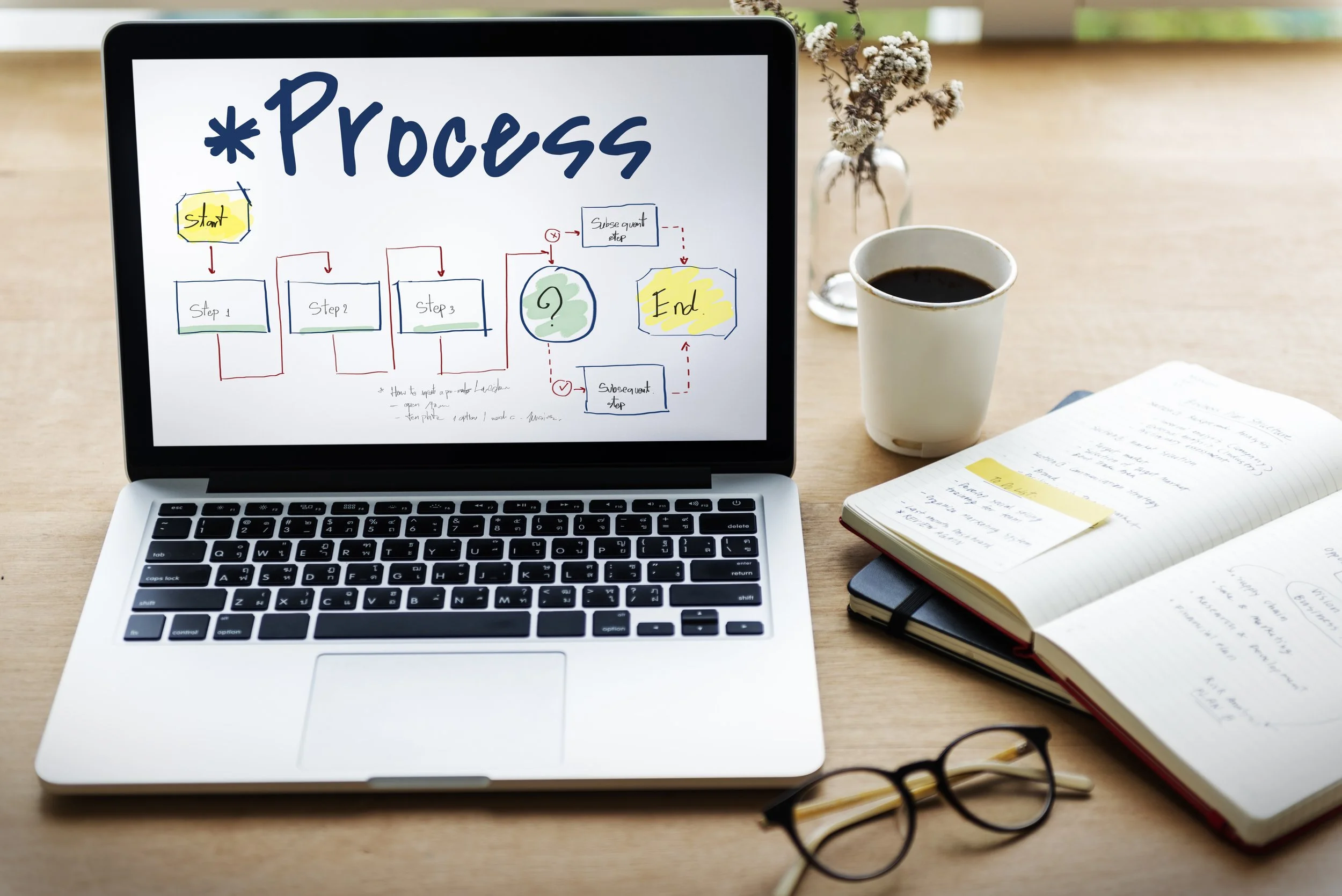
If you want to actually put this into practice, you need a plan that doesn't feel overwhelming. Here is what a sustainable week looks like for me.
Monday: The Creation Day I spend a few hours creating one or two "core" pieces of content. This might be a video like the ones you see on my channel. I do all my recording at once while I have the energy for it.
Tuesday: The Chopping Day I take that core content and break it down. I’ll pull out the best quotes, make the short clips, and write the emails based on what I talked about in the video. I’m not "creating" today, I’m just "arranging."
Wednesday: The System Check I look at my automations. I check my ads (if I'm running any). I make sure the links are working and the emails are scheduled. I spend maybe an hour on this.
Thursday: The Engagement Day This is the only day I really "do" social media. I’ll post one of my clips and spend 30 minutes responding to comments or messages. Since I’m only doing it once or twice a week, I actually have the energy to be helpful and nice to people.
Friday: The Admin & Learning Day I handle the boring stuff. Taxes, bills, checking the numbers. Then I spend time learning something new. Maybe a new way to invest or a better way to fix credit. I’m filling my own tank back up.
Saturday & Sunday: Off I mean it. I don't check the apps. I don't look at the stats. I spend time with family or just relax. Because the systems are running, I know I’m not losing anything by being offline.
Final Thoughts
Scaling your business doesn't have to be loud. You don't have to be the loudest person in the room to be the most successful.
If you focus on:
Making your content work harder (Repurposing).
Making your tech work harder (Automation).
Talking directly to your people (Email).
...you’re going to see growth without the headache. You’ll have more time to do the things you actually enjoy, like traveling or spending time with your family, instead of staring at a screen all day.
If you’re tired of the social media grind, try shifting your focus to your "back office." Build the systems that allow you to be invisible and still get paid.
I hope this helped you see a different way to grow. It’s worked for me, and I know it can work for you too.
Let me know what you think. Does the "always be posting" advice stress you out? What’s one thing you can automate this week to give yourself some breathing room?